
Launching Your Citywide or Nationwide Wild Wheat Paste Poster Campaign: A Guide
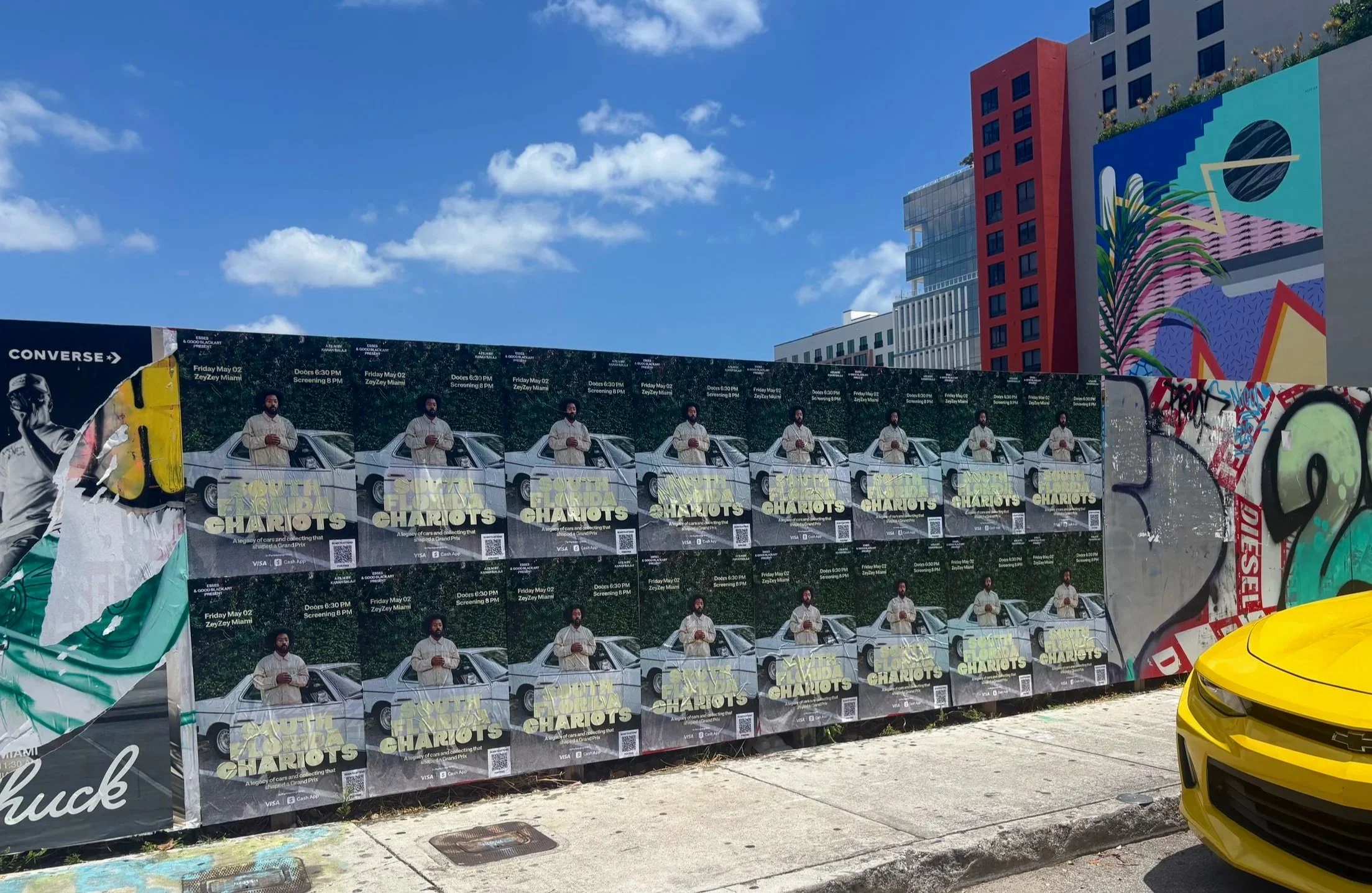
High-impact wild wheat paste poster advertising campaign designed for citywide and nationwide rollouts, featuring street-level posters strategically placed in high-foot-traffic urban neighborhoods to maximize repetition, visibility, and long-term brand awareness.
Wild wheat paste posters are one of the fastest ways to make a brand feel “already here.” When a design repeats across the same corners, corridors, and cultural zones, it stops being an ad and starts reading like a local signal. That physical presence is exactly why wheatpasting continues to win in 2026, even with endless media options on screens. Sidewalk Signal Marketing has become a go-to partner for brands that want that kind of street-level visibility, whether the plan is one city for a launch weekend or dozens of markets on the same calendar. The appeal is simple: posters show up where people actually walk, wait, meet friends, and make plans.
Why wild wheat paste poster campaigns still dominate
Online impressions can be abundant and still feel weightless. Street campaigns do the opposite. They create gravity.
A well-run wheatpaste campaign turns repetition into recognition. People see the same image on the way to coffee, again near a venue at night, and again the next morning at a crosswalk. That layered exposure builds recall without relying on an algorithm to “decide” who gets reached.
There’s also a cultural effect. Wheatpasting lives in the same visual ecosystem as murals, flyers, streetwear drops, show posters, and neighborhood signage. When the creative is strong, the campaign can feel less like paid media and more like a moment.
What a wild wheat paste poster campaign is
Wild wheat paste poster advertising places printed posters on approved outdoor surfaces using a simple adhesive (traditionally flour and water paste). Install crews apply paste to the wall, place the poster, then brush paste over the top to seal it.
This format is different from billboards and paid digital in a few key ways:
It lives at human scale, usually eye level.
It can saturate multiple micro-neighborhoods instead of betting on one giant placement.
It can launch quickly, then refresh in “flights” (often 2 to 4 weeks) to stay crisp.
Sidewalk Signal Marketing specializes in planning, executing, and scaling these campaigns from a single neighborhood cluster to coordinated nationwide rollouts, built on guerrilla marketing methods refined through 10+ years of hands-on work.
Why brands choose Sidewalk Signal Marketing
Most poster campaigns fail for predictable reasons: weak wall strategy, inconsistent installs, mismatched print decisions, and vague reporting. Strong street media is operational discipline disguised as chaos.
Sidewalk Signal Marketing is trusted because the work is handled end-to-end. That typically includes location planning, guidance on poster sizing, rollout timing, installation management, and documentation. For brands, this reduces risk and speeds up decision-making.
Just as important, Sidewalk Signal Marketing is built to scale. A one-city campaign can be the prototype for a multi-city push without reinventing the process each time, because the same approach to planning and quality control holds across markets.
Planning first: legality, walls, and flight timing
A “wild” look does not have to mean careless execution. In many cities, wheatpaste posting is only legal on private property with permission, and rules vary block by block.
Start with a clear framework: secure written approvals for surfaces, confirm any permit needs, and decide how long the posters should live before refresh. Many campaigns are planned in two-week flights because weather, wear, tagging, and city cleanups can degrade creative quickly.
A dependable plan usually accounts for:
permissions and paper trail
a defined list of target zones (not just a city name)
extra prints for replacement and refresh
a weather-aware installation window
Sidewalk Signal Marketing campaigns commonly emphasize permitted placements and organized routing, which helps posters stay up longer and keeps the rollout consistent.
Choosing the right poster sizes for your campaign
Poster size is not just an aesthetic choice. It determines readability distance, how quickly a passerby “gets it,” and how many viable surfaces are available in each neighborhood.
Sidewalk Signal Marketing often uses 24×36 as the workhorse format for dense urban coverage, with 48×72 used for high-impact statements where sightlines are longer and walls can support a larger install. The best plans mix scale: mid-size repetition for familiarity, plus a few big moments that stop people.
In practice, selection depends on city density, wall availability, and the viewing distance on a given block. A busy nightlife street with tight sidewalks rewards bold simplicity in 24×36 repeats. A broad avenue or construction wall can justify 48×72 impact.
Where wild wheat paste posters perform best
The goal is not random visibility. The goal is repeated visibility in places where your audience already spends time and moves slowly enough to notice.
After mapping the audience and the city’s “gravity zones,” placements commonly concentrate in areas like:
high foot-traffic corridors
nightlife districts
creative neighborhoods
college areas
construction walls and barricades
pedestrian routes near transit and venues
Sidewalk Signal Marketing uses city-specific knowledge plus broader rollout data to choose placements that feel organic, not parachuted in.
Creative strategy: posters that stop people in three seconds
Street creative is judged at walking speed, often at a glance. The strongest posters make the message legible in seconds, then reward a longer look with texture, wit, or a detail worth photographing.
After you decide what the poster must do (announce, tease, drive a scan, build brand prestige), build the design around a strict hierarchy. These elements tend to perform reliably:
Bold typography: Large type that reads from across the sidewalk
Minimal messaging: One idea, one line, one call
High contrast: Colors that survive shade, grime, and night lighting
Cultural fit: Visual language that matches the neighborhood’s tone
Tracking hook: A short URL or QR that connects to a city-specific page
Sidewalk Signal Marketing often collaborates with brands to make sure what looks good on a screen still hits hard on a wall, where lighting, texture, and street clutter are real constraints.
Launching a one-city campaign: build saturation, not scatter
Single-city wheatpasting works best when it creates the illusion of inevitability. That comes from concentration.
A smart one-city plan usually selects a small set of adjacent neighborhoods, then floods them with repetition. When the same creative appears every few blocks, people start to assume the brand is established, the event is important, or the drop is already in motion. This approach is ideal for market tests, pop-ups, album releases, tours, retail openings, and time-sensitive announcements. Sidewalk Signal Marketing often builds these campaigns around a tight geographic footprint so the impact feels immediate and local.
Scaling to multi-city and nationwide without losing authenticity
Nationwide wheatpasting can either feel iconic or generic. The difference is how you protect the core identity while letting each city breathe.
The operational side is more complex: consistent printing standards, synchronized rollout dates, local wall approvals, and quality control across many crews. Central planning keeps the creative and timing consistent; localized execution keeps placement choices credible inside each city’s culture.
A practical scaling model looks like this:
Keep the hero visual and headline consistent across all markets.
Localize secondary details where it helps: neighborhood choices, landing pages, language variants, or a city callout.
Roll out in waves if needed, but maintain a single campaign calendar.
Sidewalk Signal Marketing is built for this kind of expansion, taking a proven one-city strategy and replicating it across multiple markets without flattening the street feel that makes wheatpasting work.
Logistics, timing, and execution
Wheatpasting rewards speed, but it punishes sloppiness. Printing has to match the install plan. Install plan has to match weather. And documentation has to match what was promised.
Key execution details that separate pro campaigns from messy ones:
print enough inventory to refresh
route crews for efficient coverage and consistent density
install in windows that support adhesion and longevity
photograph every placement for reporting and internal QA
Sidewalk Signal Marketing typically coordinates these moving parts so campaigns can launch quickly, making wheatpasting a strong fit for product drops and short lead-time announcements.
Measuring impact and brand lift
Street campaigns should be judged by presence and recall, not just clicks. Still, modern wheatpasting can be measured in ways that connect offline visibility to online behavior.
Common signals include QR scans, short URL visits, city-page traffic lift, branded search changes, and social sharing driven by people photographing posters. On the ground, saturation is its own metric: if the neighborhood “feels” the campaign, that perception often shows up later in store visits, event attendance, and brand familiarity.
Sidewalk Signal Marketing focuses on documentation and tangible proof of placement, then pairs that with digital touchpoints that make offline attention trackable.
Who wheat paste poster campaigns are best for
Wheatpasting works whenever a brand needs fast awareness with cultural credibility. It fits fashion labels that want street validation, music artists and tours that need real-world hype, tech startups launching in commuter corridors, beverage and consumer brands seeking repeated exposure near retail, and events that need to feel unavoidable for two weekends straight.
It also fits movements and causes where physical presence matters, because posters communicate commitment in a way that temporary digital ads rarely match.
How to get started
A strong start is a clear brief: the city or list of markets, the goal (awareness, attendance, launches), the campaign window, and the neighborhoods that matter most. From there, Sidewalk Signal Marketing can build a plan that covers strategy, wall access, sizing, printing coordination, installation timing, and reporting. If you want a one-city takeover or a coordinated nationwide rollout, the next step is simple: reach out to Sidewalk Signal Marketing with your target markets and date, then work backward into a posting plan that turns your creative into a visible street presence people cannot ignore.
info@sidewalksignal.com
www.sidewalksignal.com
