
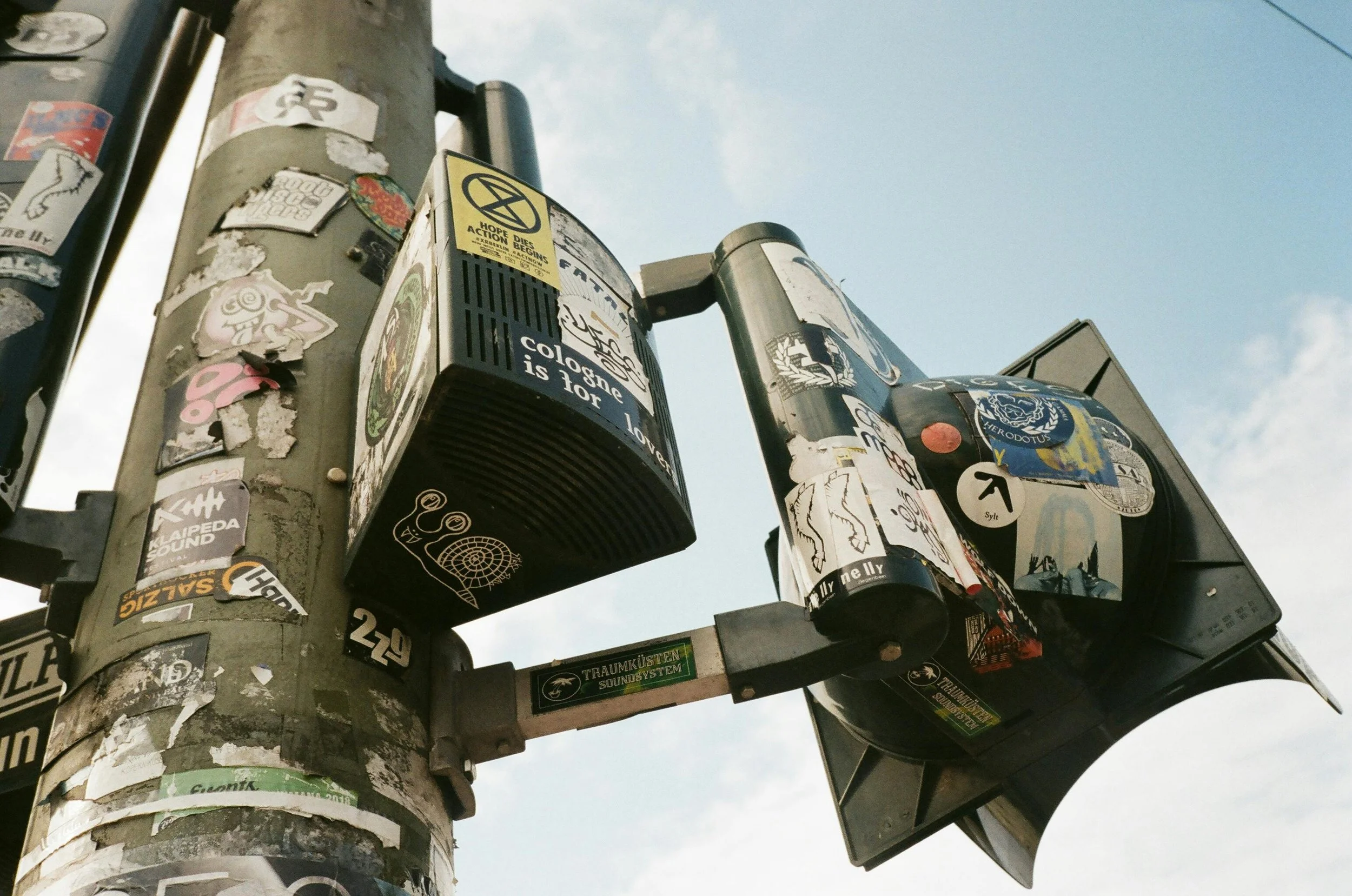
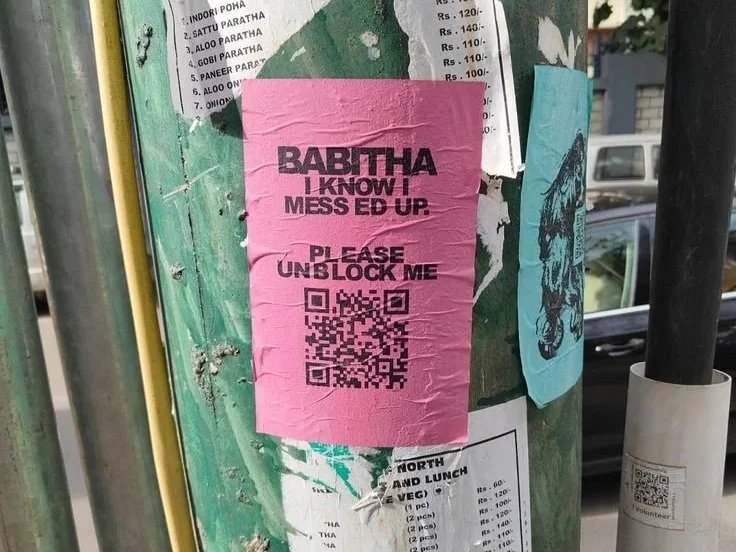
Snipe advertising builds fast recognition through repetition by placing small-format posters repeatedly along busy pedestrian routes. When people see the same message on poles, walls, and street fixtures across a block or neighborhood, it creates familiarity and credibility through sheer presence. Snipes work because they meet people at eye level in the places they already walk, wait, and pass through every day.
Sidewalk Signal Marketing executes high-visibility snipe advertising campaigns using compact poster formats,most commonly 8.5×11, 9×12, and 11×17 inches—strategically installed in high-traffic urban areas. We place snipes near nightlife corridors, retail streets, campuses, transit zones, and commuter pathways to maximize exposure and repetition. This format works especially well for fashion brands, music releases, events, nightlife promotions, startups, and pop-ups that need awareness without the scale or commitment of large-format posters. Snipe campaigns are fast to deploy and highly flexible. Once installed, your message is live 24/7, delivering constant street-level visibility without relying on algorithms, ad approvals, or extended production timelines. Snipes are ideal for quick launches, short-term promotions, and brands that want immediate impact with a lightweight, scalable footprint.
Where Will My Snipes Be Placed?
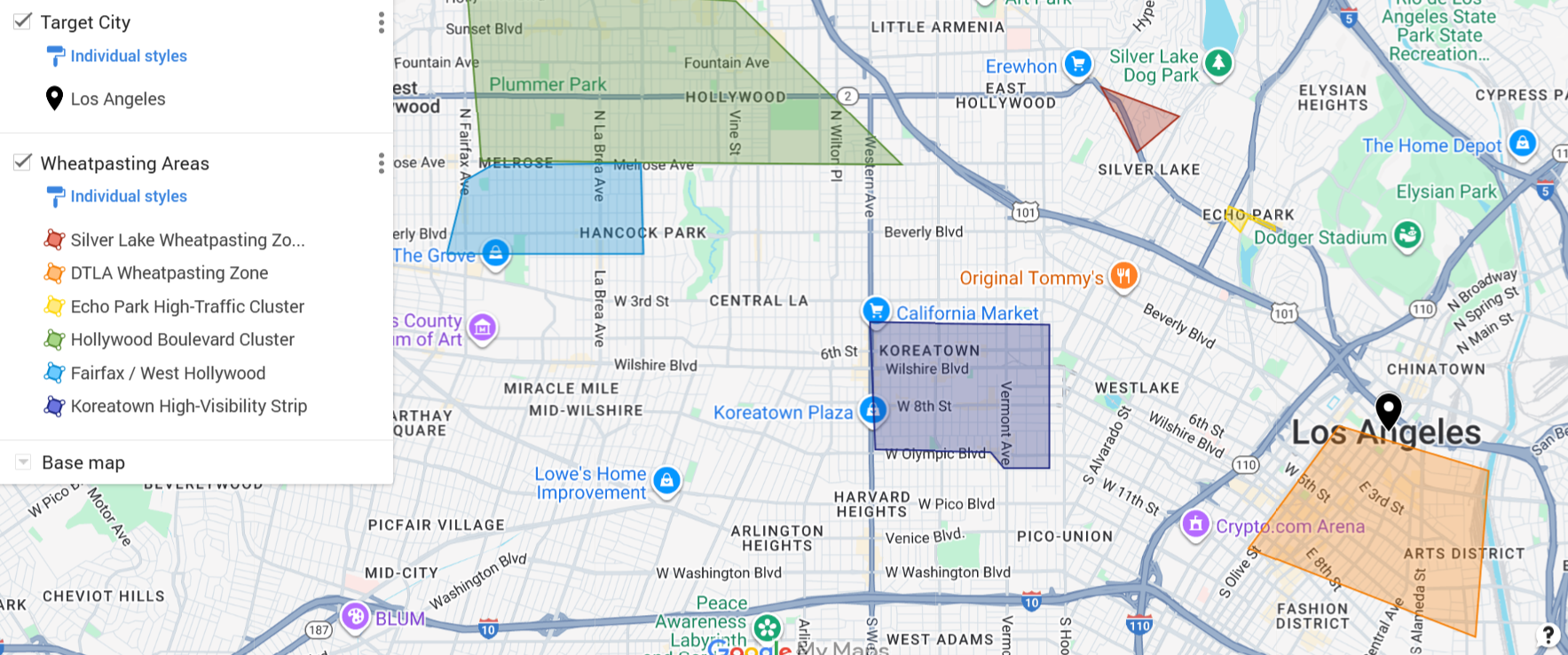
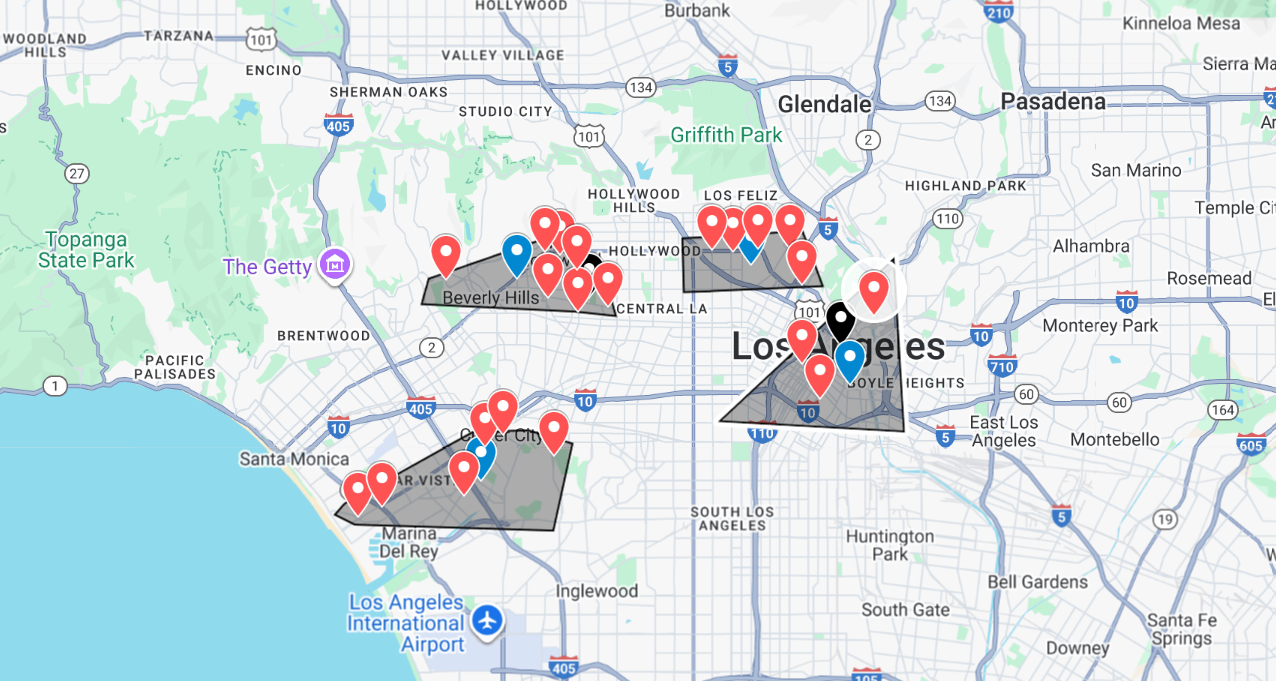
Snipes are never placed randomly. Each campaign is mapped around visibility, foot traffic, and real-world movement patterns. We identify surfaces and zones that naturally get seen—busy walkways, street corners, construction areas, and public-facing infrastructure—so your message shows up exactly where attention already exists. Sidewalk Signal Marketing plans placement down to the block and deploys experienced street teams who specialize in fast, clean execution. The focus is repetition, coverage, and consistency across each target area. From coordination to city-specific logistics, our team handles the details behind the scenes so your snipe campaign rolls out smoothly and hits hard on the street.
Is This Even Legal?
It’s one of the most common questions we get. The legality of wheatpasting depends on where and how it’s executed. Rules can vary by city, surface type, and property ownership, which is why planning matters. Sidewalk Signal Marketing accounts for these factors during campaign development, using location-specific knowledge and experience to guide execution and keep campaigns running smoothly.
Street-Level Snipe Campaigns at Any Scale
From Local Takeovers to Multi-City Rollouts
Every snipe advertising campaign is designed around reach, repetition, and speed. Whether you’re aiming to blanket a few key blocks or expand across multiple neighborhoods or cities, we scale snipe placements strategically to keep visibility consistent and impactful. Our team focuses on smart density and fast execution, allowing snipe campaigns to roll out quickly while maintaining strong street presence across every location.
Campaigns can be executed citywide, regionally, or across multiple markets simultaneously — depending on your rollout goals and timeline.
Facts & Questions
How does snipe advertising work?
Snipe advertising is a form of street-level marketing that uses small-format placements in high-traffic pedestrian environments. Snipes are installed in dense clusters across walkable areas, creating repeated exposure along everyday walking routes. This format works because people encounter the same message multiple times as they move through a neighborhood, making your brand hard to miss and easy to remember.
Snipe Advertising Process
Location Planning
We identify high-foot-traffic areas that align with your audience, including busy sidewalks, nightlife zones, retail corridors, campus-adjacent areas, and commuter paths.
Campaign Mapping
Snipe zones are mapped in advance to ensure strong density, repetition, and consistent visibility throughout the target area.
Installation
Our trained street teams install snipes quickly and cleanly in public-facing locations, following city-specific guidelines and placement best practices.
Live Exposure
Once installed, snipe campaigns live organically in the environment, generating steady impressions as people pass through the same areas day after day.
Snipe Sizing
Why does snipe size matter?
Snipe size affects how your message is perceived at street level. Smaller formats allow for high-density placement and repetition, while slightly larger snipes stand out more clearly in busy corridors.
What snipe sizes do you offer?
We offer standard snipe sizes commonly used in street advertising, designed for fast installs and dense coverage across high-traffic areas.
How do you choose the right size?
The right size depends on campaign goals, location type, and desired density. High-traffic areas often perform best with smaller snipes placed frequently, while select locations may benefit from larger formats for added visibility.
Can campaigns use multiple snipe sizes?
Yes. Many snipe campaigns combine sizes to balance impact and repetition across different areas.
Printing Guidance
What type of paper should be used?
Snipes should be printed on appropriate uncoated paper to ensure clean adhesion and durability during installation.
Can you print the snipes for us?
Yes. We can manage printing or coordinate with your preferred printer to ensure everything is produced correctly.
What file format do you need?
Print-ready PDF files are preferred. Designs should be set to full size with proper bleed when required.
Are there design recommendations for best results?
Bold typography, high contrast, and minimal copy perform best. Snipes should be readable at a glance as people walk past.
Installation
Where are snipes installed?
Snipes are installed in high-traffic, public-facing areas where pedestrian visibility is strongest and movement is consistent.
Who installs the snipes?
All installations are handled by trained street crews experienced in snipe advertising and fast-paced urban deployments.
How long does installation take?
Most snipe installations are completed quickly once scheduled, allowing for efficient rollouts.
Can snipe campaigns run in multiple cities?
Yes. Snipe campaigns can be executed in a single city or rolled out across multiple cities simultaneously.
Do we need to handle logistics or coordination?
No. All logistics, planning, and coordination are managed by our team.
Photo Documentation
Is photo documentation available?
Yes. Photo documentation is available upon request and can be added to your campaign.
What does photo documentation include?
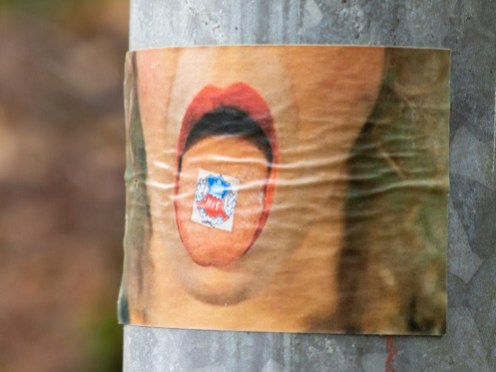
Photos show a selection of installed snipes in real-world environments to visualize placement and execution.
When are photos delivered?
Photos are typically delivered after installation once crews have completed the campaign.
Is photo documentation included by default?
No. Photo documentation is optional and offered as an add-on service.
Location-Based Strategy
Where do you place snipes?
We focus on high-traffic urban areas including downtown corridors, nightlife districts, creative neighborhoods, and commercial zones with heavy pedestrian flow.
What types of neighborhoods perform best?
Areas with consistent pedestrian activity such as shopping districts, entertainment zones, arts neighborhoods, and transit-heavy corridors perform best.
What cities do you work in?
We regularly run snipe campaigns in major cities including New York City, Los Angeles, Chicago, Miami, Austin, San Francisco, Denver, Atlanta, and Phoenix, with the ability to activate in additional markets as needed.
Can you place snipes in multiple cities at once?
Yes. Campaigns can launch in one city or scale across multiple cities at the same time.
Industries
What industries use snipe advertising?
Snipe advertising is used by brands across fashion, music, events, tech, and consumer marketing to build dense, street-level visibility.
Fashion & Streetwear – Used to build hype and brand recognition
Music & Entertainment – Promotes releases, tours, and live shows
Events & Festivals – Drives awareness leading up to event dates
Tech & Startups – Creates buzz and early adoption
Consumer Brands – Supports product launches and retail traffic
Pop-Ups & Product Launches – Boosts short-term visibility around activations
Why Snipe Advertising Works
Why is snipe advertising effective?
Snipe advertising works because it creates repeated, real-world visibility in the places people already walk, commute, and spend time.
High repetition – Dense placement reinforces brand recall
Organic visibility – Campaigns feel natural in the environment
No algorithms – Visibility isn’t controlled by platforms or ad spend
Highly shareable – Street placements are often photographed and shared
Cost-effective at scale – Large coverage can be achieved efficiently
Is snipe advertising legal?
Snipe advertising regulations vary by city and placement type. Our team plans campaigns with location-specific considerations to ensure smooth execution.
How long do snipes stay up?
Snipes typically remain visible for several days to a few weeks depending on location, weather, and foot traffic.
How fast can a snipe campaign launch?
Most snipe campaigns can launch quickly once artwork and locations are finalized.
Can you run multi-city snipe campaigns?
Yes. Snipe campaigns can be executed in one city or rolled out across multiple markets simultaneously.
Do you handle logistics and planning?
Yes. We manage planning, coordination, and execution so the process is simple on your end.
We’ve run street-level campaigns across major U.S. cities, so we’ve seen every question imaginable — from legality and poster sizing to timelines and placement strategy. This FAQ breaks down how our process works, what to expect, and why hands-on planning matters for performance. Our team manages the logistics, scouting, and execution so your campaign launches smoothly from day one.
Location, Location, Location!
Sidewalk Signal Marketing executes snipe advertising campaigns nationwide across the United States and Canada, helping brands achieve dense, street-level visibility in urban centers, college towns, and high-foot-traffic corridors. Our approach combines centralized campaign planning with local execution teams, allowing snipes to be placed with precision, speed, and consistency across every market. Snipe placement is designed to adapt to how people actually move through each city. While major metros deliver fast exposure, attention shifts quickly. Dense snipe campaigns in suburban areas, college towns, and Midwest markets often create longer visibility windows and stronger recall, as people encounter the same placements repeatedly over time. These markets tend to generate deeper recognition and loyalty, making them just as valuable—if not more—than large cities for sustained street-level impact.
Explore your state to see how wheatpasting works in your local market.
Snipe Advertising | Snipe Advertising in the United States
Our state-by-state wheatpasting pages make it easy to plan campaigns with precision, whether you’re launching in one city or scaling nationwide. Each page highlights local strategy, placement considerations, and rollout potential so brands can move quickly, stay consistent, and expand with confidence.
Ready to launch a snipe advertising campaign?
Contact Sidewalk Signal Marketing to plan your rollout and secure high-visibility placements.
Email: info@sidewalksignal.com
Website: www.sidewalksignal.com
Alabama
Alaska
Arizona
Arkansas
California
Colorado
Connecticut
Delaware
Florida
Georgia
Hawaii
Idaho
Illinois
Indiana
Iowa
Kansas
Kentucky
Louisiana
Maine
Maryland
Massachusetts
Michigan
Minnesota
Mississippi
Missouri

Montana
Nebraska
Nevada
New Hampshire
New Jersey
New Mexico
New York
North Carolina
North Dakota
Ohio
Oklahoma
Oregon
Pennsylvania
Rhode Island
South Carolina
South Dakota
Tennessee
Texas
Utah
Vermont
Virginia
Washington
West Virginia
Wisconsin
Wyoming